Understanding Panic Disorder: Signs, Symptoms, and Treatment Options.
Disclaimer: This article is for educational purposes only and does not replace expert medical or mental health advice. Panic disorder requires a comprehensive physical and psychiatric evaluation by a qualified clinician. So, always refer to a licensed mental health specialist for diagnosis and treatment.
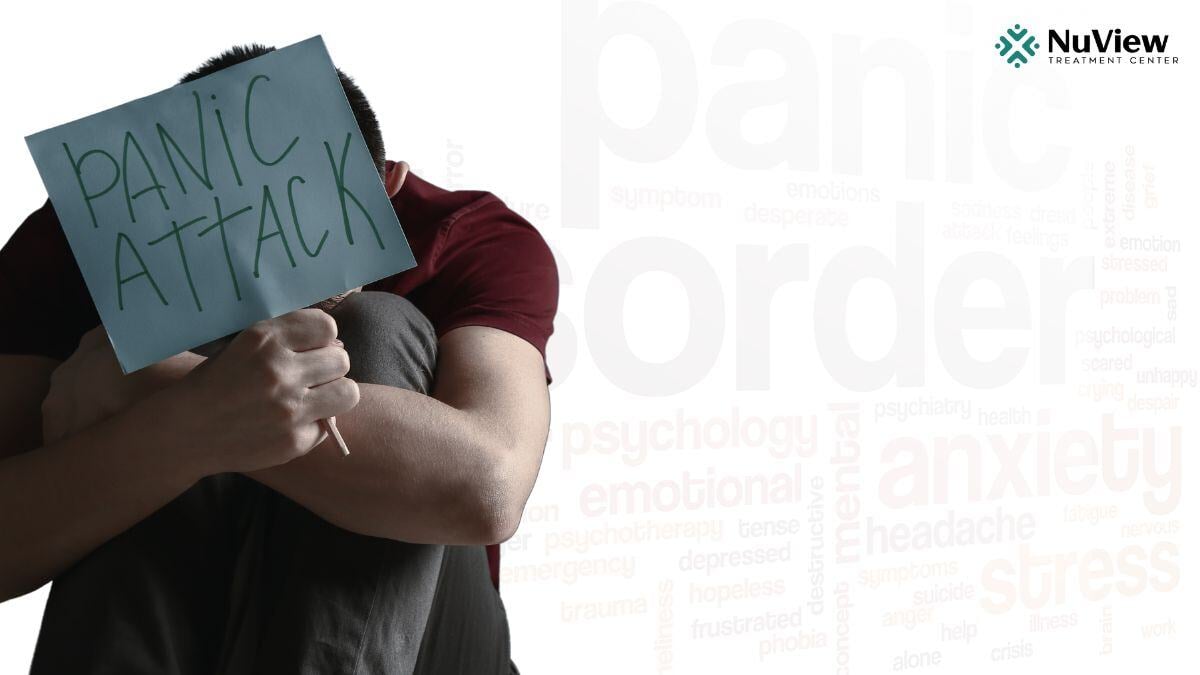
Have you ever felt an intense wave of overwhelming fear or anxiety, followed by physical symptoms like sweating, racing heart, chest pain, dizziness, and vomiting? This is exactly what a panic attack feels like. Panic attacks are somewhat common - 11% have them every year. But when panic attacks become unexpected and repeated - it is indicative of panic disorder.
What Is Panic Disorder?
Panic disorder is a clinically recognized anxiety disorder that is characterized by frequent, unexpected panic attacks. Panic attacks can feel like a sudden sense of intense discomfort, fear, and loss of control, followed by physical symptoms like sweating, rapid heartbeat, chest discomfort, lightheadedness, and so on.
Panic disorder impacts 2.7% in the U.S., and 4.4% worldwide. It leads to significant distress and disturbance in daily life and functioning, as well as a general sense of uncertainty about not knowing when a panic attack might occur again.
Dr. Ryan Peterson, a highly experienced physician at the NuView Treatment Center, says, “Panic disorder is a challenging condition. It shrinks the experience of life and can lead to other physical and mental complications. However, the encouraging news is that it can be effectively treated and managed. In fact, early diagnosis and intervention lead to the best outcomes.”
Get Started With Nuview Treatment Center
Our dedicated professional staff is here to guide you or your loved one on the journey to lasting recovery, offering support every step of the way.

What Are the Risk Factors for Panic Disorder?
Experts say that there is not one, but multiple risk factors that increase the likelihood of panic disorder. These are:
- Family studies show that a family history of panic attacks or disorder can increase the likelihood of the condition, as the heritability is 30% - 40%
- Traumatic events, like childhood abuse, sexual assault, or life-threatening incidents.
- A history of physical conditions like cardiovascular disease or seizures.
- Substance misuse, such as alcohol, nicotine, or even caffeine.
- Major life transitions, like new parenthood, separation, or divorce.
- Gender differences exist, as women are more likely to struggle with panic disorder than men.
What Are the Signs and Symptoms of Panic Disorder?
The commonly recognizable symptoms of panic disorder are:
- Repeated, unexpected panic attacks
- Uncertainty and fear of panic attacks
- Fear or avoidance of circumstances or environments where one experienced a panic attack
- Panic attacks that feel like:
- Overwhelming wave of fear or anxiety/feeling of impending doom
- Sweating
- Chills
- Numbness or tingling sensations
- Vomiting sensations
- Chest pain
- Shortness of breath
- Racing heart
- Dizziness
- Choking sensations
- Fear of losing control
- Fear of dying.
How Is Panic Disorder Diagnosed?
Panic disorder is diagnosed using a comprehensive psychiatric evaluation, clinical interviews, physical examinations, and other tests.
Your doctor will inquire about your symptoms, medical history, and family history. They will also conduct physical examinations to rule out other underlying medical conditions that may be leading to similar symptoms.
They will then refer you to a mental health specialist who will diagnose panic disorder on the basis of the Diagnostic and Statistical Manual of Mental Disorders (DSM-5-TR), which involves understanding your panic attacks and ruling out other related conditions like separation anxiety disorder, specific phobias, obsessive-compulsive disorder, and post-traumatic stress disorder.
Get Started With Nuview Treatment Center
How Is Panic Disorder Treated?
Panic disorder is primarily treated with psychotherapy and medication.
- Psychotherapy: Typically, cognitive behavioral therapy is used to understand the underlying patterns of panic disorder and equip you with the tools and skills to better respond to your fears and anxieties.
- Medication: Anti-anxiety medications and antidepressants, like selective serotonin reuptake inhibitors (SSRIs) and serotonin-norepinephrine reuptake inhibitors (SNRIs), are used to treat the symptoms of panic disorder. Medication selection and planning need to be done in consultation with a board-certified physician or psychiatric practitioner.
- Lifestyle Modifications: Some lifestyle modifications, like a nutritious diet, consistent sleep, and exercise, can be recommended. You may also be suggested to cut down on caffeine, alcohol, nicotine, and other psychoactive substances.
Dr. Peterson says, “Panic disorder is a challenging, albeit highly treatable condition. Many even achieve remission, with the chances improving over time. Early interventions, along with a strong social support system, lead to the best outcomes.”
If You Are Struggling With Panic Attacks, Reach Out Today!
If you or a loved one is struggling with recurring panic attacks or panic disorder, we understand how overwhelming you feel. At NuView, we provide a safe, non-judgmental environment and personalized treatment options that meet you where you are so that you can heal and navigate your challenges with the right level of care, family, and community.
Please do not hesitate to call us (323) 307-7997 to connect with our experts today!
Frequently Asked Questions About Panic Disorder
What is the difference between a panic attack and panic disorder?
A panic attack can be an isolated incident, whereas panic disorder is characterized by frequent, unexpected panic attacks.
Is panic disorder common?
No, panic disorder is not that common. It impacts an estimated 2.7% in the U.S.
Can you die from a panic attack?
A panic attack itself is not fatal. However, symptoms such as chest pain, shortness of breath, or dizziness must always be medically evaluated to rule out underlying medical conditions, especially if they occur for the first time.
Does panic disorder go away on its own?
In many cases, panic disorder does not resolve without structured care. Symptoms may persist or worsen over time. Early intervention significantly enhances outcomes.
What complications does panic disorder lead to?
Panic disorder impedes your daily life and functioning. For instance, you may struggle to keep a job or develop fear or avoidance of environments where you have experienced a panic attack before.
- What Is Panic Disorder?
- What Are the Risk Factors for Panic Disorder?
- What Are the Signs and Symptoms of Panic Disorder?
- How Is Panic Disorder Diagnosed?
- How Is Panic Disorder Treated?
- If You Are Struggling With Panic Attacks, Reach Out Today!
- Frequently Asked Questions About Panic Disorder
- What Is Panic Disorder?
- What Are the Risk Factors for Panic Disorder?
- What Are the Signs and Symptoms of Panic Disorder?
- How Is Panic Disorder Diagnosed?
- How Is Panic Disorder Treated?
- If You Are Struggling With Panic Attacks, Reach Out Today!
- Frequently Asked Questions About Panic Disorder
Get Help Today!
- https://www.msdmanuals.com/home/mental-health-disorders/anxiety-and-stress-related-disorders/panic-attacks-and-panic-disorder?media=hybrid&client=vin
- https://medlineplus.gov/panicdisorder.html
- https://www.nimh.nih.gov/health/statistics/panic-disorder
- https://www.who.int/news-room/fact-sheets/detail/anxiety-disorders
- https://www.sciencedirect.com/science/article/abs/pii/S0924977X25006200
- https://www.psychiatrictimes.com/view/gender-differences-panic-disorder
- https://www.nimh.nih.gov/health/publications/panic-disorder-when-fear-overwhelms
- https://emedicine.medscape.com/article/287913-clinical
- https://www.psychiatry.org/psychiatrists/practice/dsm
- https://www.ncbi.nlm.nih.gov/books/NBK430973/
- https://pmc.ncbi.nlm.nih.gov/articles/PMC10683020/
- https://www.tandfonline.com/doi/full/10.1080/14737175.2023.2229955


Everyone is Welcome Here and We All Have Your Back
Your healing journey deserves a personalized approach. At NuView, we integrate expertise in behavioral therapy, mental health, and substance use treatment to create a customized recovery plan tailored to your unique needs.
Connect with our Admissions Specialists today.
Written By
Dr. Ryan Peterson, MD