Is Your “Healthy Diet” Hurting You? Understanding Orthorexia Nervosa.
Disclaimer: This article is for educational purposes only and does not replace expert medical or mental health advice. Orthorexia nervosa requires a comprehensive physical and psychiatric evaluation by a qualified clinician. So, always refer to a licensed mental health specialist for diagnosis and treatment.
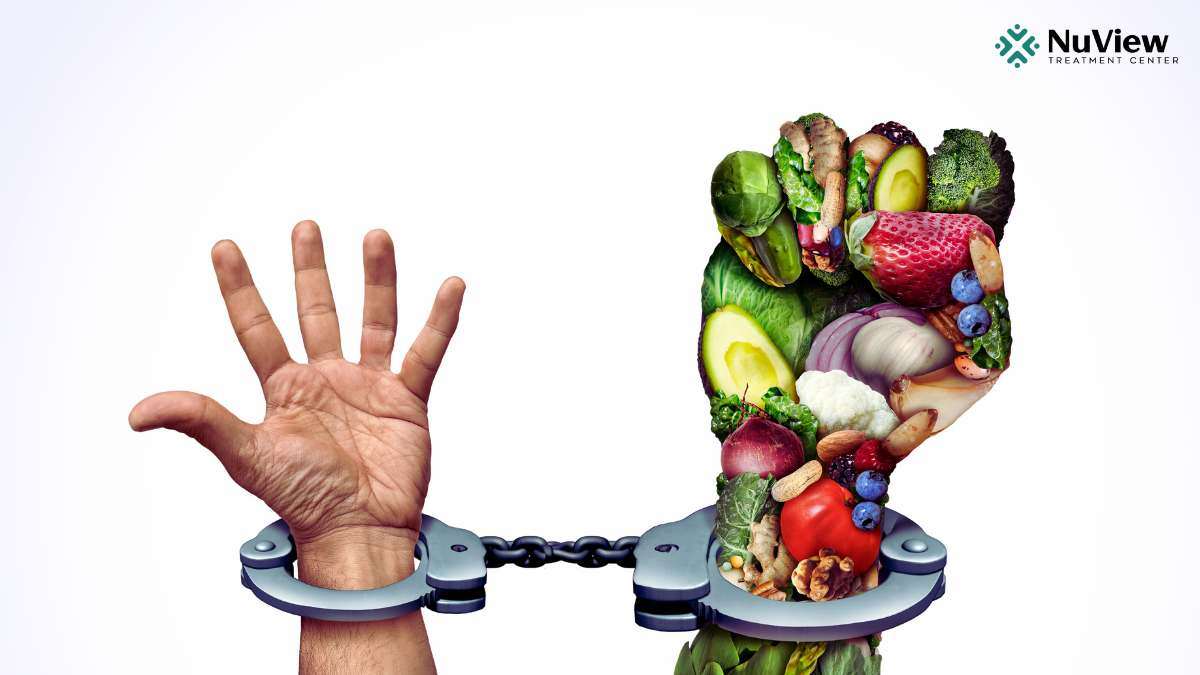
We are told to eat healthy - and eating healthy is good, too, for your mind and body. However, an extreme focus on eating healthy can be too much and lead to a disordered relationship with food - it becomes an eating disorder. While orthorexia nervosa is not presently recognized as a formal diagnosis in the Diagnostic and Statistical Manual of Mental Disorders (DSM-5-TR), the term describes a pattern of extreme preoccupation with healthy eating - which, in severe cases, may lead to malnutrition and serious medical or psychological complications.
What is Orthorexia Nervosa?
Orthorexia nervosa is a term used to describe a pattern of disordered eating characterized by an unhealthy fixation on eating foods perceived as healthy or “pure.” It was only recently coined by Steven Bratman in 1997, and is not yet fully understood. It is not even formally recognized in the DSM-5-TR, yet clinicians may still assess for orthorexic patterns when evaluating eating disorders or related conditions.
Dr. Ryan Peterson, a highly experienced physician at the NuView Treatment Center, says, “The definition of orthorexia stands for an extreme focus on 'righteous eating.’ Ultimately, what happens is that people with the said eating disorder end up rejecting a variety of foods that are not up to their standards. This can lead to malnutrition.”
Get Started With Nuview Treatment Center
Our dedicated professional staff is here to guide you or your loved one on the journey to lasting recovery, offering support every step of the way.

What Are the Signs and Symptoms of Orthorexia Nervosa?
As per the National Eating Disorders Foundation, the signs and symptoms of orthorexia are:
- An unhealthy obsession with healthy foods and eating.
- Avoiding foods as bad or unclean, despite not having any reasonable grounds to do so.
- Extreme fear and anxiety regarding unhealthy foods leads to avoiding different food groups like sugar, meat, carbs, etc.
- Having a strict dietary regimen and not being able to be flexible without experiencing anxiety.
- Consumed with investigating the kinds of food, devoting a large amount of time to thinking/planning meals, scanning product labels, and surfing information on the internet regarding different ingredients.
- Fearing losing control over diet if not prepared by oneself, which leads to avoiding social events or gatherings that involve food prepared by others.
- Being overly critical of family and friends’ choices of food.
- Showing visible signs of malnutrition as a consequence of unreasonable food restrictions, characterized by unhealthy weight loss.
What Are the Causes of Orthorexia?
There is no one definitive cause of orthorexia, but there can be multiple factors, such as:
- Biological Factors: There is limited research on orthorexia, but a family history of eating disorders may increase the chances of this condition.
- Psychological Factors: Body image concerns, anxiety, and perfectionism can be closely tied to orthorexia.
- Social Factors: The media’s focus on thin bodies, social media, bullying, and misinformation can contribute to eating disorders, like orthorexia nervosa.
- Personal Factors: Personal factors like disordered eating, participation in sports that emphasize leanness, or an extreme focus on body image can contribute to orthorexia nervosa.
How Is Orthorexia Nervosa Diagnosed?
While orthorexia is not an official diagnosis, Steven Bratman and Thomas Dunn have come up with a two-part diagnostic criterion. These are proposed research criteria and are not part of the DSM-5-TR. It is as follows:
Criterion A:
- Compulsively follow food-based rules that are based on personal beliefs of healthy eating, which only get stricter and stricter as time goes on.
- Breaking self-imposed food rules will lead to severe emotional turmoil and anxiety, even giving rise to feelings of guilt and shame.
Criterion B:
- Body image and self-esteem become related to self-imposed food rules and how well one follows them.
- Social withdrawal, resulting from a fear of breaking these self-imposed food rules, as one can fear eating food outside/prepared by others. This can lead to problems in interpersonal and social relationships as well.
- Visible signs of malnutrition as a consequence of extreme dietary restrictions based on self-imposed food rules.
Get Started With Nuview Treatment Center
How to Treat Orthorexia Nervosa?
Treatment for orthorexic behaviors typically involves a multidisciplinary approach that may include psychotherapy, nutritional counseling, and medical monitoring when necessary.
Behavioral therapy involves cognitive behavioral therapy, behavior modification, and exposure therapy.
CBT changes the underlying thinking patterns leading to orthorexia, while exposure therapy slowly exposes you to the foods you fear under safe and controlled conditions.
Nutritional diet plans are put into motion to provide your body with nutrients and restore your body weight.
Dr. Peterson says, “With proper treatment and support, many can significantly improve. In fact, early intervention leads to the best outcomes.”
Struggling With Food? You Are Not Alone
If the signs of orthorexia nervosa feel familiar, speaking with a qualified mental health specialist can help you heal and regain control over your life.
Please do not hesitate to call us at (323) 307-7997 to speak to our experts today.
Frequently Asked Questions About Orthorexia Nervosa
What is orthorexia nervosa?
Orthorexia nervosa is an eating disorder characterized by an unhealthy fixation with eating foods that are perceived to be "pure" or "healthy."
How is orthorexia different from anorexia or bulimia?
Unlike anorexia nervosa, orthorexia is typically focused on food quality rather than weight loss. It may also overlap with obsessive-compulsive traits, but the behaviors are specifically centered around food purity and beliefs rather than broader compulsions.
What are the warning signs of orthorexia?
Strict food rules, guilt after eating “unhealthy” foods, avoiding social meals, and an obsession with food ingredients.
What are the symptoms of orthorexia?
Orthorexia goes beyond eating healthy to obsessive food control, fear of “bad” foods, and negative effects on mental, social, and physical health.
Can someone recover from orthorexia?
Yes. With the right support and treatment, you can develop a balanced, flexible relationship with food and regain your mental and physical health.
- What is Orthorexia Nervosa?
- What Are the Signs and Symptoms of Orthorexia Nervosa?
- What Are the Causes of Orthorexia?
- How Is Orthorexia Nervosa Diagnosed?
- How to Treat Orthorexia Nervosa?
- Struggling With Food? You Are Not Alone
- Frequently Asked Questions About Orthorexia Nervosa
- What is Orthorexia Nervosa?
- What Are the Signs and Symptoms of Orthorexia Nervosa?
- What Are the Causes of Orthorexia?
- How Is Orthorexia Nervosa Diagnosed?
- How to Treat Orthorexia Nervosa?
- Struggling With Food? You Are Not Alone
- Frequently Asked Questions About Orthorexia Nervosa
Get Help Today!




Everyone is Welcome Here and We All Have Your Back
Your healing journey deserves a personalized approach. At NuView, we integrate expertise in behavioral therapy, mental health, and substance use treatment to create a customized recovery plan tailored to your unique needs.
Connect with our Admissions Specialists today.
Written By
Dr. Ryan Peterson, MD