Understanding Avoidant/Restrictive Food Intake Disorder (ARFID)
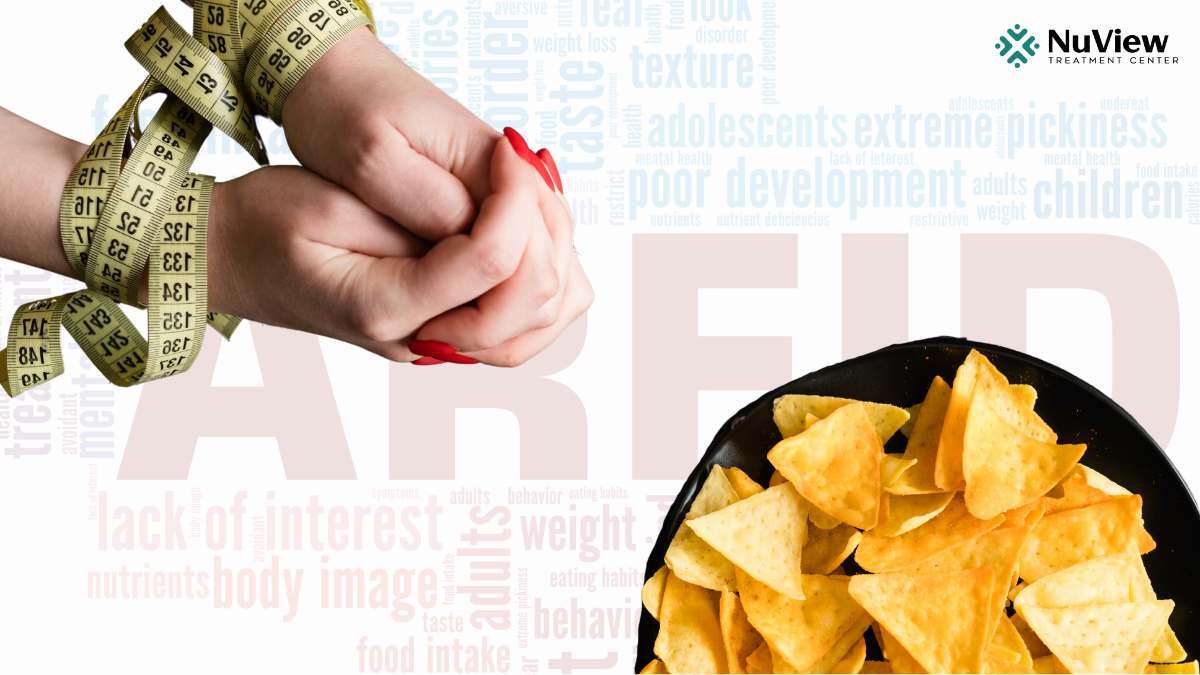
Disclaimer: This article is for educational purposes only and does not replace expert medical or mental health advice. Avoidant/restrictive food intake disorder (ARFID) requires a comprehensive physical and psychiatric evaluation by a qualified clinician. So, always refer to a licensed mental health specialist for diagnosis and treatment.
Avoidant/restrictive food intake disorder (ARFID) is an eating disorder that typically begins among children between the ages of 11 and 13 years, but can develop at any age. It can seem very much like picky eating, but children often begin to avoid foods based on how they taste, smell, look, and feel, or because they fear the consequences of eating these foods - like vomiting or choking.
If you are concerned that your child or loved one may have ARFID, it does not have to immediately mean something is “wrong” - it means you have noticed patterns that are worth taking a closer look and exploring what your next steps can be.
In this article, we will explore what is ARFID and what steps can you take to ensure your or your loved one’s safety.
What Is Avoidant/Restrictive Food Intake Disorder (ARFID)?
ARFID is an eating disorder that is characterized by limiting the foods you consume, based on sensory experiences or fear responses. It can also involve some elaborate eating patterns - like consuming food items in a certain order.
ARFID is sometimes also called a 'selective eating disorder,’ as it involves choosing some food items that are considered okay to eat. While it has only recently come to light, it requires personalized care; otherwise, it can lead to dangerous, life-threatening health conditions.
Understanding Your Care Options for ARFID
If you are concerned that you or someone you care for is struggling with ARFID or related patterns, you do not have to have everything figured out immediately. Just speaking to specialists who can understand what this looks like for you and see if structured care options make sense for you can make a meaningful difference.

What Are the Different Types of ARFID?
A 2024 article published in The Lancet suggests the following types (or subtypes) of ARFID:
- Sensory Subtype: It is characterised by sensory sensitivity and rigid eating behaviors.
- Lack of Interest Subtype: It is characterized by a lack of interest and appetite, and difficulties with feeding behaviors to a certain extent.
- Fear Subtype: This subtype is characterized by the fear of aversive consequences of eating.
- Combined Subtype: This subtype is characterized by all symptoms except for fear of aversive consequences.
Get Started With Nuview Treatment Center
Our dedicated professional staff is here to guide you or your loved one on the journey to lasting recovery, offering support every step of the way.
What Are the Symptoms of ARFID?
The commonly recognizable ARFID symptoms are as follows:
- Extremely limiting the quantity and type of food one eats
- Avoiding foods with certain tastes, odors, colors, and textures
- Only consuming food with a certain kind of taste, odor, color, and texture
- Fear of consequences after eating, like vomiting and choking
- Losing interest in food
- Avoiding events or circumstances where food might be involved
- Abdominal pain or cramps
- Constipation
- Lethargy
- Lightheadedness/fainting
- Irregular menstrual cycles
- Low body temperature
- Significant weight loss.
What Complications Can ARFID Lead to?
Some of the risks and complications that ARFID can lead to are as follows:
- Poor growth
- Delayed puberty
- Lack of nutrients, vitamins, and proteins, which may require tube feeding and the provision of the necessary nutrient supplements
- Dehydration
- Anemia
- Weakened bones (osteoporosis)
- Weakened muscles
- Irregular or no menstrual periods
- Low blood pressure
- Slow pulse rate.
What Is the Difference Between ARFID in Children vs. Adults?
The National Eating Disorders Association reports that nearly 0.5% - 5% of children and adults struggle with ARFID, but they can be different in both.
ARFID in children can look like this:
- Selective eating among children, especially foods with certain tastes, odors, colors, and textures, can lead to strong, negative experiences. These negative experiences lead to extreme fear of unfamiliar foods.
- Some children generally have a low appetite and lack interest in eating. The reason is that food is not as rewarding or barely at all.
- Children can be scared of some of the consequences of eating, like vomiting or choking, as well.
Meanwhile, ARFID in adults can look something like this:
- Family history of food avoidance condition.
- Aversion to foods with certain tastes, odors, colors, and textures.
- Traumatic experiences involving food, like choking, force-feeding, etc.
- Fear of the dangers food can inflict on the body.
- An underlying condition that can contribute to the development of ARFID, like anxiety or depression.
Get Started With Nuview Treatment Center
What Is the Difference Between ARFID vs. Picky Eating?
It is easy to get confused between picky eating and AFRID because of their similar characteristics, like food aversions, limited diets, and challenges at mealtimes. However, ARFID is a much more serious condition that requires proper diagnosis and treatment. While a person may typically grow out of their picky eating behaviors, those suffering from ARFID require the right level of care for healing and recovery.
How Is ARFID Treated?
ARFID is mainly treated with cognitive behavioral therapy and nutritional plans.
Cognitive behavioral therapy, or CBT, focuses on identifying and changing maladaptive thinking and behavioral patterns that adversely impact food intake, reduce anxiety around food, and deal with other challenges.
Nutritional plans are crafted to supply the body with nutrients, as the focus is on maintaining optimal body weight. In severe cases of medical instability, inability to maintain adequate intake, or significant malnutrition, temporary enteral feeding (such as a feeding tube) may be medically required. This decision is made only in specialized treatment settings.
In some cases, medications may be considered to address co-occurring emotional symptoms. Medication decisions are personalized and made under the supervision of a qualified psychiatrist. However, there is currently no FDA-approved medication specifically for ARFID.
For optimal outcomes, ARFID treatment often involves a multidisciplinary team of therapists, dietitians, and medical specialists.
Finding the Path Toward Healthier Eating Habits
Recognizing the signs of ARFID in you or someone you care for can enable you to take the right steps toward building healthier eating habits with the right kind of care.
If you want to explore structured care options, reaching out to the NuView Treatment Center can enable you to explore your recovery options with experts who understand how this feels and can offer clarity on the way forward in a safe and confidential setting.
You Do Not Have to Figure This Out On Your Own
Whenever you are ready, you can speak with our licensed and experienced clinical team to explore your options, and see what level of care makes sense for you or your loved one in this journey toward healing and health.
Frequently Asked Questions About Avoidant/Restrictive Food Intake Disorder (ARFID)
What are the types of ARFID?
The subtypes of ARFID are sensory subtype, lack of interest subtype, fear subtype, and combined subtype.
At what age is ARFID most common?
ARFID generally develops between 11 and 13 years.
Is ARFID like autism?
ARFID is an eating disorder, while autism is a developmental disorder. ARFID is strongly linked with autism, but they are not the same.
Is ARFID part of OCD?
ARFID is closely linked with obsessive-compulsive disorder (OCD); however, it is not a part of OCD.
How is ARFID treated?
ARFID is mainly treated with cognitive behavioral therapy and nutritional plans.
- What Is Avoidant/Restrictive Food Intake Disorder (ARFID)?
- What Are the Different Types of ARFID?
- What Are the Symptoms of ARFID?
- What Complications Can ARFID Lead to?
- What Is the Difference Between ARFID in Children vs. Adults?
- What Is the Difference Between ARFID vs. Picky Eating?
- How Is ARFID Treated?
- Finding the Path Toward Healthier Eating Habits
- Frequently Asked Questions About Avoidant/Restrictive Food Intake Disorder (ARFID)
- What Is Avoidant/Restrictive Food Intake Disorder (ARFID)?
- What Are the Different Types of ARFID?
- What Are the Symptoms of ARFID?
- What Complications Can ARFID Lead to?
- What Is the Difference Between ARFID in Children vs. Adults?
- What Is the Difference Between ARFID vs. Picky Eating?
- How Is ARFID Treated?
- Finding the Path Toward Healthier Eating Habits
- Frequently Asked Questions About Avoidant/Restrictive Food Intake Disorder (ARFID)
Get Help Today!


- https://www.msdmanuals.com/professional/psychiatric-disorders/feeding-and-eating-disorders/avoidant-restrictive-food-intake-disorder-arfid
- https://www.ncbi.nlm.nih.gov/books/NBK603710/
- https://www.thelancet.com/journals/eclinm/article/PIIS2589-5370(24)00019-1/fulltext
- https://www.nhsinform.scot/illnesses-and-conditions/mental-health/eating-disorders/avoidant-restrictive-food-intake-disorder-arfid/
- https://www.nationaleatingdisorders.org/avoidant-restrictive-food-intake-disorder-arfid/


Everyone is Welcome Here and We All Have Your Back
Your healing journey deserves a personalized approach. At NuView, we integrate expertise in behavioral therapy, mental health, and substance use treatment to create a customized recovery plan tailored to your unique needs.
Connect with our Admissions Specialists today.
Written By
Dr. Ryan Peterson, MD