Stimulant Use Disorder: Signs, Symptoms, and Recovery Options
Disclaimer: This article is for educational purposes only and does not replace expert medical or mental health advice. Stimulant use disorder requires a comprehensive physical and psychiatric evaluation by a qualified clinician. So, always refer to a board-certified physician or a licensed mental health specialist for diagnosis and treatment.
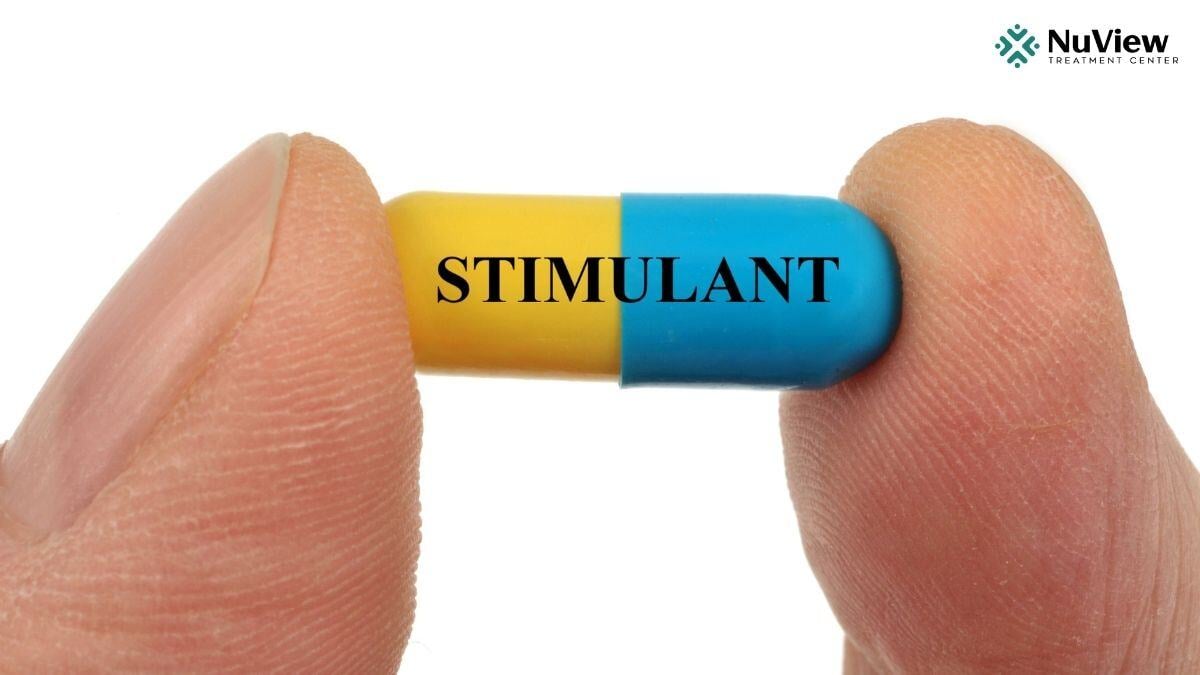
Stimulant use disorder is a condition characterized by the misuse of stimulant medication or drugs. As per peer-reviewed studies, 4.5 million struggle with a stimulant use disorder in the U.S., and 25% report misusing stimulant prescription medication. However, the encouraging news is that this condition can be treated with evidence-based, holistic care options for a lasting recovery and a fulfilling life.
What Is Stimulant Use Disorder?
Stimulant use disorder is defined by the misuse of prescription stimulant medication or illegal stimulant drugs.
Commonly known prescription stimulant medications include Adderall, Concerta, Dexedrine, and Ritalin, while illegal stimulant drugs include cocaine and methamphetamine. MDMA (commonly known as Ecstasy or Molly) is classified as a synthetic drug with both stimulant and hallucinogenic properties.
Stimulant misuse is a serious concern, mainly because of how these substances can impact your brain chemistry and functioning. Stimulants speed up communication between the brain and the body by impacting neurotransmitters like dopamine and norepinephrine, making you feel more energetic, focused, and confident. This is why you may go back for more until your mind and body become dependent on them to function normally.
Dr. Ryan Peterson, a highly experienced physician at the NuView Treatment Center, says, “Stimulant use disorder, or addiction, is a chronic condition. Those who misuse stimulants are likely to struggle with other complications, like anxiety, depression, insomnia, lung damage, and cardiovascular disease. This is why early intervention and recovery are highly crucial.”
What Are the Effects of Stimulants?
Initially, stimulant use can seem pleasing. It leads to a high, which makes you feel:
- Focused
- Wakeful
- Energetic
- Confident
- Lowered inhibitions
- Joyful.
However, on the flip side, it can also lead to:
- Cravings
- Anxiety
- Depressed mood
- Paranoia
- Hostility
- Psychosis
- Nasal and lung damage
- Dental concerns
- Cardiovascular concerns
- Seizures
- Suicidal thoughts and ideation.
If anyone is experiencing suicidal thoughts or ideation, please contact 9-8-8 (U.S.) or your national helpline immediately. This can be a life-saving move.
Get Started With Nuview Treatment Center
Our dedicated professional staff is here to guide you or your loved one on the journey to lasting recovery, offering support every step of the way.

What Are the Risk Factors for Stimulant Use Disorder?
While there is no one definitive risk factor, experts have suggested that there can be multiple or a combination of risk factors leading to stimulant use disorder - such as:
- Genetics: Genetics plays a role in heredity. The heritability of substance use disorder, like stimulant use disorder, is moderate - up to 50%.
- Environment: Environmental stress, like substance use within the family, peer pressure, stress, or trauma, can contribute to stimulant use disorder.
- Mental Health Conditions: Pre-existing mental health concerns can lead to or exacerbate stimulant misuse.
What Are the Signs of a Stimulant Use Disorder?
The Diagnostic and Statistical Manual of Mental Disorders (DSM-5-TR) lists the following signs of a stimulant use disorder:
- Persistent cravings or urges to use stimulants.
- Consuming stimulants in higher doses and more frequently than you intended to.
- Spending a lot of time obtaining, using, and recovering from stimulant use.
- Continued stimulant use despite its adverse effects on physical, mental, and social well-being.
- Prioritizing stimulant use over relationships, responsibilities, and other activities.
- Developing tolerance - which means needing larger quantities of the stimulant to experience the effect you wish to
- Developing withdrawal symptoms in case of reducing or stopping stimulant use.
Dr. Peterson says, “If you spot any of these signs, effects, or paraphernalia of stimulant use lying around in someone you care for or even yourself - it is indeed a reason for concern. However, the encouraging news is that clinical reviews and insight indicate that a significant majority of those who seek treatment for substance misuse achieve recovery. In fact, early intervention leads to better, sustained outcomes.”
Get Started With Nuview Treatment Center
What Are the Signs of a Stimulant Overdose?
Some of the major signs of stimulant overdose are:
- Agitation
- Confusion or disorientation
- Dilated pupils
- Hot and sweaty skin
- Hyperthermia or increased body temperature
- Headaches
- Chest pain
- Tremors or spasms
- Difficulty in breathing
- Seizures
A stimulant overdose is a life-threatening condition and is one of the most dangerous effects of stimulant misuse. It can even turn fatal. In fact, the National Institute on Drug Abuse (NIDA) reports that overdose deaths involving stimulants rapidly increased from 12,122 in 2015 to 57,497 in 2022.
Stimulant overdose is a medical emergency. If you suspect the signs of a stimulant overdose, call 9-1-1 immediately. This can be a life-saving move.
How Is Stimulant Use Disorder Treated?
Stimulant use disorder is treated with medically supervised detox and psychotherapy in both residential and outpatient settings.
Detox is when stimulants are removed from your body under safe and controlled medical conditions. Sometimes, a slow taper is recommended to minimize and manage cravings and withdrawal symptoms. Meanwhile, psychotherapeutic interventions involve:
- Motivational Interviewing: MI taps into your inner motivations to gently nudge you toward healing and recovery.
- Cognitive Behavioral Therapy: CBT focuses on changing the underlying thinking patterns leading to stimulant misuse, and also equips you with productive coping skills to deal with life’s ups and downs without reaching out for the stimulants.
- Contingency Management: It is a behavioral technique that uses rewards to reinforce desirable behaviors like attending therapy or support groups, and abstinence, among others.
- 12-Step Facilitation Therapy: It uses the 12 Steps of Alcoholics Anonymous to foster accountability and healing.
Stimulant use disorder is a chronic condition - which means you need to focus on your recovery every day going forward. This is why aftercare planning involves ongoing therapy/counseling, relapse prevention, lifestyle modifications, holistic practices, and a sober community, like Narcotics Anonymous, for a lasting recovery.
Begin Your Recovery from Stimulant Use Disorder with NuView Today!
At NuView, recovery is a transformative healing experience based on personalized, evidence-based care. Our treatment programs are designed for both stimulant misuse and the underlying factors to enable you to heal and also rebuild your life with joy and purpose.
Please do not hesitate to call us at (323) 307-7997 to connect with our experts now!
Frequently Asked Questions About Stimulant Use Disorder
Why do stimulants feel good at first but become harmful later?
Stimulants initially enhance dopamine and focus, but repeated use disrupts natural brain reward pathways, leading to dependence and emotional disturbance.
Are stimulant medications like Adderall not safe?
Stimulant medications like Adderall, Concerta, Dexedrine, and Ritalin are safe and effective when you take them as per your doctor’s prescription and instructions. If you use them in other ways than prescribed or use someone else’s prescription, it can turn into a stimulant use disorder.
Can stimulant use disorder be treated without medication?
There are presently no FDA-approved medications specifically indicated for stimulant use disorder. Treatment typically relies on structured behavioral therapies and management of co-occurring mental health conditions.
What makes a lasting recovery from stimulants different from detox alone?
Detox focuses on managing physical dependence, but lasting recovery depends on behavioral change, coping skills, aftercare planning, and community.
Is relapse a sign that treatment did not work?
Relapse indicates that recovery plans may need adjustment, not failure, as stimulant use disorder is a chronic condition requiring ongoing care.
- What Is Stimulant Use Disorder?
- What Are the Effects of Stimulants?
- What Are the Risk Factors for Stimulant Use Disorder?
- What Are the Signs of a Stimulant Use Disorder?
- What Are the Signs of a Stimulant Overdose?
- How Is Stimulant Use Disorder Treated?
- Begin Your Recovery from Stimulant Use Disorder with NuView Today!
- Frequently Asked Questions About Stimulant Use Disorder
- What Is Stimulant Use Disorder?
- What Are the Effects of Stimulants?
- What Are the Risk Factors for Stimulant Use Disorder?
- What Are the Signs of a Stimulant Use Disorder?
- What Are the Signs of a Stimulant Overdose?
- How Is Stimulant Use Disorder Treated?
- Begin Your Recovery from Stimulant Use Disorder with NuView Today!
- Frequently Asked Questions About Stimulant Use Disorder
Get Help Today!


- https://pmc.ncbi.nlm.nih.gov/articles/PMC12529327/
- https://jamanetwork.com/journals/jamapsychiatry/article-abstract/2831638
- https://pmc.ncbi.nlm.nih.gov/articles/PMC3489818/
- https://pmc.ncbi.nlm.nih.gov/articles/PMC3056348/
- https://www.dea.gov/factsheets/ecstasy-or-mdma-also-known-molly
- https://www.sciencedirect.com/science/article/pii/S0149763424003105
- https://pmc.ncbi.nlm.nih.gov/articles/PMC8477224/
- https://www.psychiatry.org/psychiatrists/practice/dsm
- https://www.ncbi.nlm.nih.gov/books/NBK576550/
- https://nida.nih.gov/research-topics/trends-statistics/overdose-death-rates
- https://na.org/


Everyone is Welcome Here and We All Have Your Back
Your healing journey deserves a personalized approach. At NuView, we integrate expertise in behavioral therapy, mental health, and substance use treatment to create a customized recovery plan tailored to your unique needs.
Connect with our Admissions Specialists today.
Written By
Dr. Ryan Peterson, MD