What is THCA (Tetrahydrocannabinolic Acid)?
Disclaimer: This article is for educational purposes only and does not replace expert medical or mental health advice. So, always refer to a licensed mental health specialist to understand THCA use and risks.
Tetrahydrocannabinolic acid, or THCA, is the naturally occurring compound that exists in raw cannabis. While you may have often heard of Delta-8 and Delta-9-THC (tetrahydrocannabinol) and even CBD (cannabidiol), little is known about the compound THCA, as it does not give rise to the same effects as THC or CBD. In this article, we will explore what is THCA, its effects, and other risks.
What Is THCA?
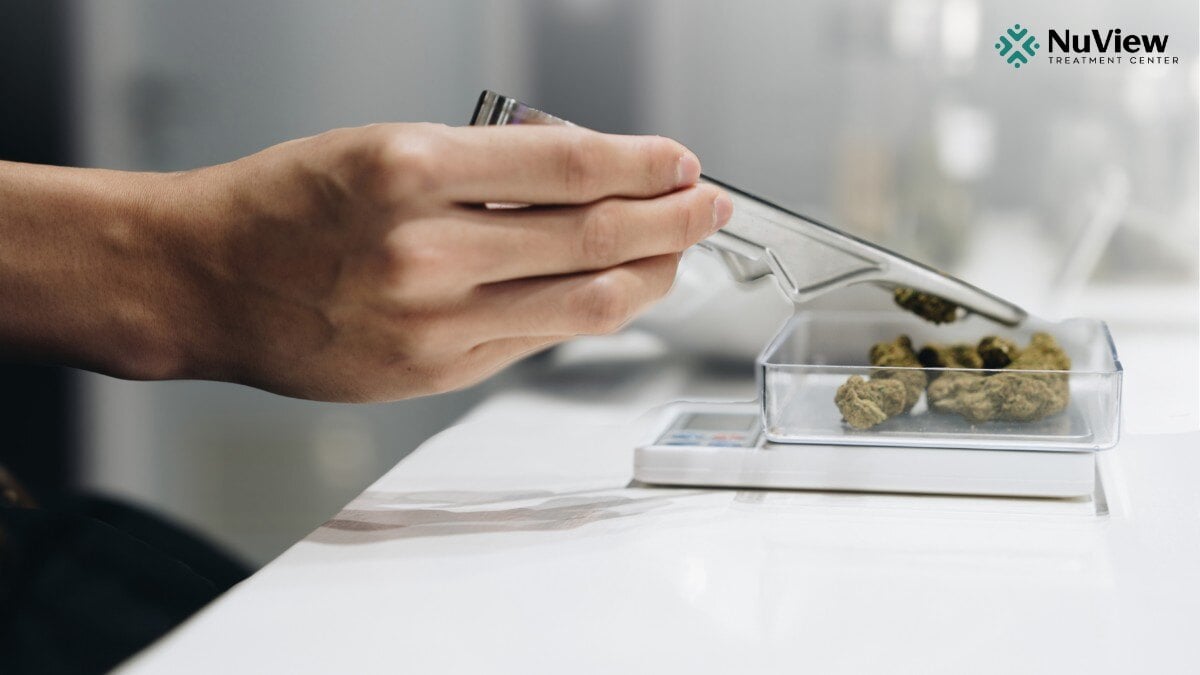
THCA stands for tetrahydrocannabinolic acid. It is a non-intoxicating compound, commonly found in the raw Cannabis sativa plant.
In fact, THCA is the precursor to Delta-9-THC. It produces cannabinoids as carboxylic acids, which are then converted to non-acidic compounds through something known as decarboxylation, which happens when it is exposed to heat. THC is the outcome of the decarboxylation of THCA.
In fresh, undried cannabis, THCA can constitute 75% to 98% of the total cannabinoid content. In its raw form, THCA does not typically tend to have any psychoactive effects, but it is being explored for its therapeutic effects.
What Are the Different Forms of THCA?
THCA comes in different forms. The most natural form of THCA is the one present in the hemp flower or the cannabis plant. It is found in higher amounts in fresh cannabis plants. People who consume THCA in this form usually do it for its anti-inflammatory and neuroprotective properties.
THCA is also available as a transdermal patch. These patches are designed to allow dosage control, as THCA gets directly into the bloodstream and its therapeutic effects are experienced more quickly.
Finally, THCA is available as diamond crystals as well. These are considered the purest forms of THCA and are generally consumed for their more intense effects.
Get Started With Nuview Treatment Center
Our dedicated professional staff is here to guide you or your loved one on the journey to lasting recovery, offering support every step of the way.

What Are the Effects of THCA?
THCA is being studied for some therapeutic effects, especially in terms of pain relief and reducing nausea. However, it is generally considered non-intoxicating.
When heated, THCA turns into THC. So, when smoked or vaped, it gives rise to a high or euphoria - a rush of pleasurable sensations and feelings.
What Are the Side Effects of THCA?
Early laboratory and animal studies suggest THCA may exhibit anti-inflammatory effects, but clinical research remains limited. At the same time, it is crucial to note that it can give rise to some side effects as well:
- Nausea and vomiting
- Upset stomach
- Itching
- Skin rashes
- Respiratory concerns.
Get Started With Nuview Treatment Center
What Are the Potential Benefits and Therapeutic Uses of THCA?
THCA’s benefits and therapeutic uses mainly come from its potential anti-inflammatory and neuroprotective properties.
THCA’s anti-inflammatory properties are being considered a natural way to treat inflammation so that it does not turn chronic and lead to other life-threatening conditions.
Chronic inflammation is a very serious condition, wherein the body’s immune system sends out inflammatory chemicals or cells when there is no sign of danger. It leads to swelling and pain. If left untreated, it can lead to cardiovascular conditions, cancer, and so on.
THCA has also shown promise in terms of neuroprotective properties in animal studies. What this means is that it can be considered for treatment for neurodegenerative diseases like dementia, Alzheimer’s disease, Huntington’s disease, and so on. However, it is too early to tell, innovation in this area is hopeful.
THCA is also being considered for its anti-oxidative properties as well. It can protect the body’s cells from oxidative stress and damage.
THCA is also being studied for antiemetic effects in that it helps reduce the feelings of nausea and vomiting. This is especially useful in reducing the unwanted effects of treatments like chemotherapy and radiation.
While the future looks up to the brim with new possibilities for THCA, its anti-inflammatory and neuroprotective potential offers a hopeful glimpse into therapies for chronic and neurodegenerative conditions. As science advances, this oft-overlooked compound may play a meaningful role in holistic healing.
What Is the Legal Status of THCA in the U.S.?
The legal status of THCA in the U.S. is complex and varies by state. While hemp (any part of the cannabis plant or derivatives) containing no more than 0.3% Delta-9 THC is federally permitted under the 2018 Farm Bill, some states regulate total THC content, which may include THCA after decarboxylation.
In a nutshell, this is a legally gray area, as hemp (the fiber of the cannabis plant) is not regulated and can be problematic in regions where marijuana is still not legal.
A Word From NuView
THCA is a naturally occurring, non-intoxicating compound in raw cannabis that shows promising therapeutic potential, especially for its anti-inflammatory and neuroprotective properties. However, once heated, it converts into THC and can produce psychoactive effects. As interest grows, it is crucial that you stay informed of its benefits, risks, and evolving legal status.
If you want to learn more about THCA, please do not hesitate to contact NuView Treatment Center at (323) 307-7997 to connect with our experts today!
Frequently Asked Questions About THCA (Tetrahydrocannabinolic Acid)
What is the purpose of THCA?
THCA is being studied for its anti-inflammatory and neuroprotective properties. It can reduce feelings of vomiting, common with life-saving treatments like chemotherapy.
Does THCA get you high?
No, THCA is not psychoactive and does not give a high.
How THCA differs from THC?
THCA is the precursor to THC. While not intoxicating in itself, when heated, it turns into THC. This is why smoking or vaping marijuana is common - to experience the high.
Is THCA safe for regular use?
While THCA is generally considered safe in low doses, it is crucial that you consult your primary healthcare provider to determine whether it is safe for you.
Can THCA show up on a drug test?
Yes, even if THCA is not intoxicating, it can trigger a positive result, especially when cannabis is heated and consumed.
- What Is THCA?
- What Are the Different Forms of THCA?
- What Are the Effects of THCA?
- What Are the Side Effects of THCA?
- What Are the Potential Benefits and Therapeutic Uses of THCA?
- What Is the Legal Status of THCA in the U.S.?
- A Word From NuView
- Frequently Asked Questions About THCA (Tetrahydrocannabinolic Acid)
- What Is THCA?
- What Are the Different Forms of THCA?
- What Are the Effects of THCA?
- What Are the Side Effects of THCA?
- What Are the Potential Benefits and Therapeutic Uses of THCA?
- What Is the Legal Status of THCA in the U.S.?
- A Word From NuView
- Frequently Asked Questions About THCA (Tetrahydrocannabinolic Acid)
Get Help Today!



- https://www.sciencedirect.com/topics/medicine-and-dentistry/tetrahydrocannabinolic-acid
- https://taylorandfrancis.com/knowledge/Medicine_and_healthcare/Pharmaceutical_medicine/Tetrahydrocannabinolic_acid/
- https://pubmed.ncbi.nlm.nih.gov/35416290/
- https://www.sciencedirect.com/science/article/abs/pii/S1773224724003666
- https://nvcourts.gov/__data/assets/pdf_file/0018/10566/tall_cop_handouts.pdf
- https://pmc.ncbi.nlm.nih.gov/articles/PMC10095267/
- https://pmc.ncbi.nlm.nih.gov/articles/PMC5510775/
- https://pmc.ncbi.nlm.nih.gov/articles/PMC3792001/
- https://www.congress.gov/crs-product/R48637


Everyone is Welcome Here and We All Have Your Back
Your healing journey deserves a personalized approach. At NuView, we integrate expertise in behavioral therapy, mental health, and substance use treatment to create a customized recovery plan tailored to your unique needs.
Connect with our Admissions Specialists today.
Written By
Dr. Ryan Peterson, MD